CHAPTER 2History of Refugees in the UK
-
Many refugees have arrived in the UK over the last 350 years.
From the late 1680s through to the 1840s, many thousands of people moved to the UK from countries in Europe because of various religious and political reasons.
In the mid and late 1800s, 300,000 Irish people moved to the UK to escape a famine, and over 100,000 Jewish refugees arrived from Russia because of violence.
During World War One (1914–1918), up to 250,000 people came to the UK from Belgium to escape the fighting.
Between 1933 and 1948, hundreds of thousands of refugees moved to the UK from Germany, Austria, Czechoslovakia, and Poland because their safety was threatened by the Nazis.
World War Two (1939–1945) changed many things around the globe. Because huge numbers of people had moved to different countries, the United Nations decided to create a set of rules about who was allowed to seek asylum and how countries were expected to treat asylum seekers.
In 1951, this set of rules – known as the Refugee Convention – was created. It was signed by 145 countries.
Between the mid 1950s and late 1990s, several more groups of people from refugee backgrounds moved to the UK from countries such as Hungary, Uganda, Cyprus, Chile, Vietnam, Sri Lanka, Turkey, Bosnia, and Kosovo.
Over the last 20 to 30 years, people from places as diverse as Eritrea, Iran, Albania, Pakistan, and Somalia – among many others – have been given refugee status in the UK.
Although everybody moving to the UK has had a different experience, all these groups have had a positive impact by bringing skills, languages, cultural variety, and economic benefits.
-
History shows that people can integrate into new communities and cultures, and that people from refugee backgrounds can contribute positively to their new countries. In fact, some of the best-known British products and businesses were invented or founded by refugees.
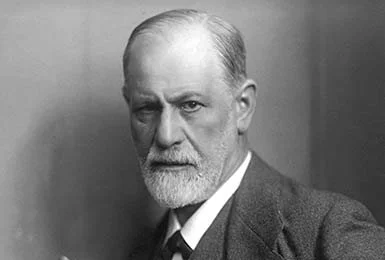
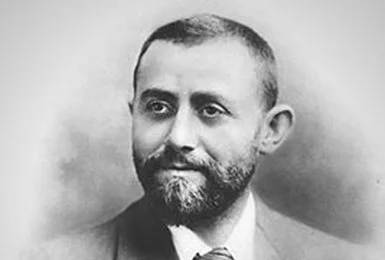
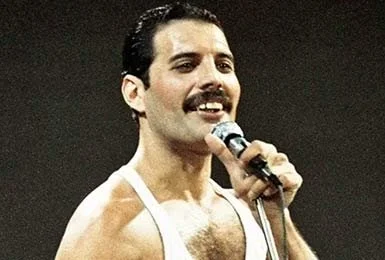
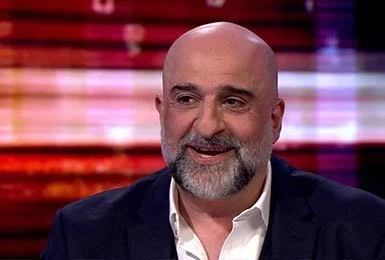
Each of the well-known figures below comes from a refugee background.
-
History shows that people can integrate into new communities and cultures, and that people from refugee backgrounds can contribute positively to their new countries. In fact, some of the best-known British products and businesses were invented or founded by refugees.
Each of the well-known figures below comes from a refugee background.
-
![]()
Sigmund Freud
PSYCHOLOGIST AND
-
![]()
Alek Welk
MODEL
-
![]()
Michael Marks
FOUNDED RETAIL CHAIN MARKS & SPENCER
-
![]()
Rita Ora
MUSICIAN
-
![]()
Freddie Mercury
MUSICIAN
-
![]()
Omid Djalili
COMEDIAN
-
![]()
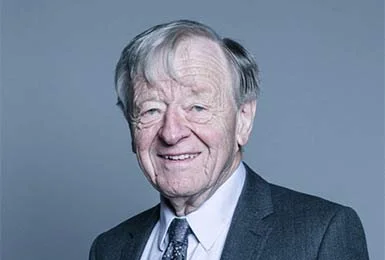
Lord Alf Dubs
UK POLITICIAN & HUMAN RIGHTS ADVOCATE
-
![]()
Victor Moses
FOOTBALLER



Nadia’s story

A pharmacist by profession, Nadia fled war-torn Syria and survived harrowing conditions, including near starvation in a refugee camp in Lebanon, before she was brought to the UK as part of the government’s resettlement scheme.
When she arrived in the UK, Nadia spoke no English and believed her only option for employment was working as a cleaner – until she joined Word Jewish Relief’s STEP. With our partner Horton Housing, we have helped Nadia with guidance, funding, and other support to help her gain the qualifications she needs to work in her profession again.
-
Her determination and hard work are paying off. With GCSEs (secondary education qualifications) and National Vocational Qualifications (practical, work-based qualifications) under her belt, Nadia is now a qualified pharmacy technician able to dispense medicines to the public. She also plans to return to university to complete her UK degree.
During the Covid-19 pandemic, Nadia travelled two hours by bus each day to get to and from her place of work. While others have stayed home during lockdown, she has been determined to do her bit for her adopted community:
“I want to give back to this country [which] has hosted me and received me as a refugee. What I’m doing is nothing. I’d like to do more.” At the height of the pandemic in 2020, the pharmacy experienced long queues of people desperately needing medicine. Nadia wasn’t worried though. She says, “We would only allow one person in at a time, we put up screens to help protect us, and we were wearing PPE, washing our hands, and regularly taking our temperatures.”
Part of Nadia’s role as a pharmacy technician is preparing dosset boxes for older patients, helping them take their medications on time. Sadly, a number of her most loyal customers lost their lives to Covid-19. For Nadia, whose parents are living in Syria, these clients’ deaths have been particularly sad:
“I’m upset about our customers; we have lost five or six to Covid-19, and that’s very sad. When I serve customers, especially the older ones, I feel like they could be my mum or dad, and all I want is to do the best for them.”
It has been an intense year working on the front line of the pandemic, but we are so proud of Nadia and of STEP, which has enabled her to help others during this terrible health crisis.
Additional resources
Glossary
ambition
something you want to do
community
a group of people with similar interests
equivalent
when something has the same level or function as something
etiquette
social expectations of how to behave
experience
something you learn by doing or watching someone else do it
industry
a group of companies who do similar types of work
initiative
a plan to make something happen
integrate
to become part of something, such as a community
More information
Search “400 years of refugee movement to the UK”
Search “Syria to Rio 2016 Yusra Mardini” on YouTube
invent
to create something new
skill
the ability to do something well
support
service an organisation that helps people
sustain
continue something for a long period of time
vocabulary
different words
Find out more
-
![]()
Government, DWP, and Welfare System
-
![]()
Jobcentre Plus
-
![]()
Benefits
-
![]()
Skills
-
![]()
Choosing a Career